Most places in Marrakech have no dress code at all. Gueliz is casual, a handful of clubs and hotel bars expect smart casual, and covering shoulders and knees is the comfortable norm in residential streets and the medina. The thing nobody warns you about: nights get genuinely cold.
Is there a dress code in Marrakech at night?
In most restaurants, lounges and cafes, no. None. You can turn up in jeans and trainers at 11pm and nobody blinks. The exceptions are narrow and easy to name: a few clubs, some hotel bars, the occasional rooftop with a door policy and a cover charge. Everywhere else the honest answer is that people are far too busy with their own evening to audit yours.
What does exist is a comfort norm rather than a rule. In residential streets, in the medina and around anywhere with a religious function, covering shoulders and knees is what most people around you will be doing, visitors included. UK Foreign Office advice suggests loose clothing covering the arms, legs and chest, particularly for women travelling alone. Treat that as the cautious end of the range, not as a uniform. Plenty of people in Gueliz on a warm evening are in short sleeves and nothing about that is remarkable.
The gap between those two paragraphs is where most of the confusion lives, so let's be precise about it. Official advice is written for the whole country and for every situation in it, including a woman walking alone through a quiet town at night. A restaurant street in Gueliz at 10pm, with families out and shops still lit, is not that situation. The advice isn't wrong. It's just calibrated for the hardest case, and travellers read it as a national rule about what they're permitted to wear. It isn't one. Morocco has no dress law for visitors.
What people actually wear in Gueliz after dark
Gueliz isn't a resort strip. It's a working district: offices, shops, apartment blocks, students, families doing their shopping at 9pm. Walk down Bd Khalid Ben El Oualid at midnight and you'll see jeans, trainers, shirts, dresses, a lot of denim jackets. Roughly what you'd see in Seville or Palermo on a mild night, with slightly more people out at an hour when Britain would be asleep.
Which means the failure mode here isn't being underdressed. It's being dressed for the beach. Swim shorts, flip-flops and vests read as odd in a city that isn't on the coast, and they'll get you turned away from the small number of venues that do have a door policy. Beyond that, wear what you like. If you're heading out for a quiet table for two, smart casual covers it entirely, and nobody expects a jacket.
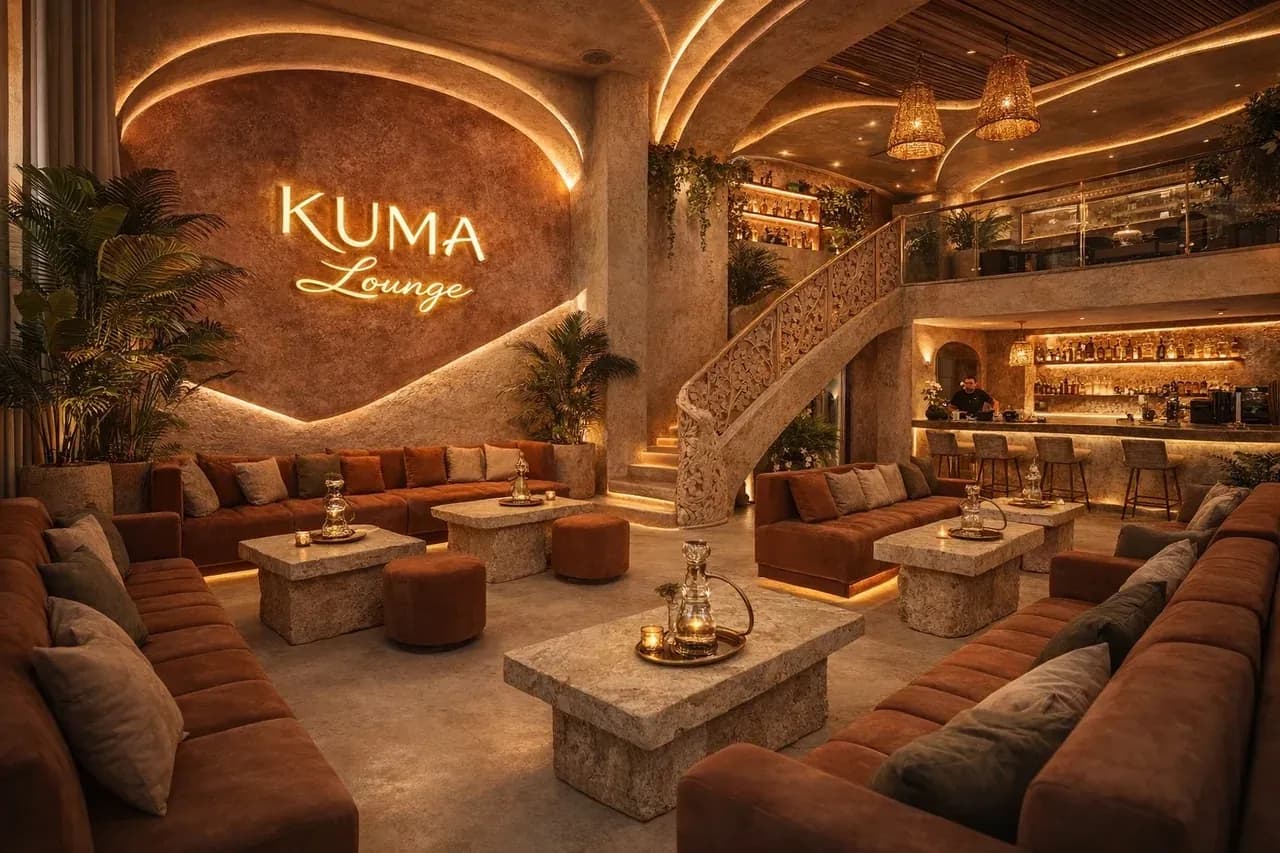
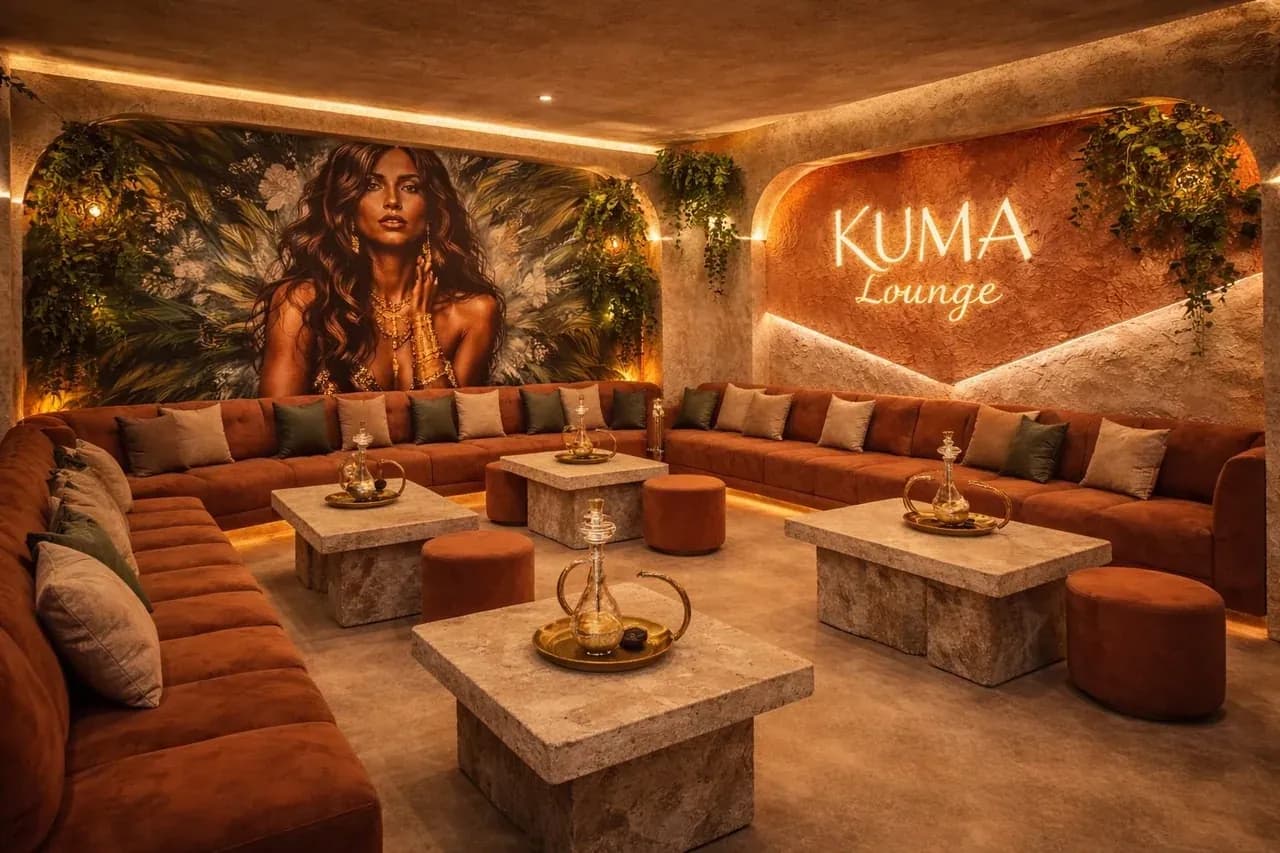
One detail nobody mentions: shisha. A lot of Gueliz evenings end in a lounge room where it's being smoked, and smoke sticks to fabric. Wool and knitwear hold it for days, cotton lets it go in one wash. If you're two days from a flight home with limited laundry options, that's worth a thought before you pick the jumper. Small thing. Genuinely annoying when you get it wrong.
Clubs, hotels and rooftops: where it gets stricter
The tighter door policies sit in Hivernage and in hotel venues, where an entry fee usually signals that someone at the door is making judgement calls. Sportswear, beachwear and flip-flops are the usual refusals. Trainers are normally fine, though not always at 1am on a Saturday.
Here's the frustrating bit: these policies are almost never published anywhere. Not on the venue's site, not on the aggregator listings, not on TripAdvisor. So if you're going somewhere with a cover charge, send a message that afternoon and ask. It takes a minute and it beats a taxi across town to be turned away at the rope. Table service places, lounges and restaurants don't work this way at all, and most of what there is to do in Gueliz in the evening falls into that easier category.
Rooftops deserve their own warning, and it isn't about the dress code. It's about the wind. A terrace four floors up in April is noticeably colder than the street below it, and the sun goes down fast enough that you'll feel the change while you're still reading the menu. People arrive dressed for the afternoon they've just had rather than the evening they're about to have. Then they spend it hunched over a mint tea, waiting for somebody to suggest going inside.
Dressing for the Majorelle Gardens and the medina
The Majorelle Gardens publish no dress code. What they publish is a timetable, and that's what should shape what you wear: open 8am to 6:30pm, last entry 6pm, 170 MAD for an adult tourist ticket. You'll queue outside in full sun and then walk a compact garden shoulder to shoulder with several hundred people. So: a hat, sunglasses, shoes you can stand in for an hour. Light colours photograph beautifully against that cobalt blue, and everyone knows it, which is why half the queue is wearing them.
The medina is a different problem entirely, and it's a footwear problem. Uneven ground, worn cobbles, motorbikes passing close, occasional puddles of unclear origin. Closed shoes, a bag that zips shut, and shoulders covered if you're going into the souks at night, where the streets are narrow and the crowd is largely local. After the garden shuts, most visitors drift towards the tables near the Majorelle Gardens in Gueliz, where the dress question stops mattering.
Worth planning the sequence, because a lot of people get caught by it. You leave the riad at 9am dressed for a garden in full sun, spend the afternoon in the souks, and by the time somebody suggests dinner it's 9pm and you're still in what you put on twelve hours earlier, now carrying a day of heat and dust. Nobody in Gueliz cares what you're wearing, but you might. The fix is boring and it works: go back to the riad for twenty minutes before dinner, or plan the day the other way round, medina first and garden after lunch.
Nobody warns you it gets cold at 4am
This is the one that ruins evenings, and it's absent from every packing list. Marrakech is a desert-edge city, so the gap between afternoon and dawn is enormous. Average overnight lows run around 5.9C in January, 7.4C in December, 10.4C in March and 10.5C in November (source: climatestotravel.com). Even in August, when the average low is about 21C, a terrace at 4am after a 38C afternoon feels like a different country.
The trap is the shoulder seasons, not winter. Nobody flies to Marrakech in January expecting warmth. But March, April, October and November sell themselves as sunshine holidays, and they are, right up until about 10pm. April averages 12.4C overnight, October 15.3C. That's a British spring evening arriving on top of an afternoon you spent looking for shade. Every single visitor who ends up buying a scarf at 1am from a shop that's still open did the same thing: judged the night by the day.
| Where you're going | What works | What to avoid |
|---|---|---|
| Restaurant or lounge in Gueliz | Jeans, dress, shirt, trainers. Anything you'd wear in Europe. | Beachwear. That's the whole list. |
| Club or hotel bar in Hivernage | Smart casual, closed shoes. Message ahead about the door. | Sportswear, flip-flops, shorts. |
| The medina after dark | Closed shoes, covered shoulders, a bag that zips. | Sandals, open bags, heels on cobbles. |
| The Majorelle Gardens | Hat, sunglasses, comfortable shoes, light colours. | Anything you can't queue in for 40 minutes. |
| Out past 2am, any season | A jacket or jumper you can carry all evening. | Leaving the extra layer at the riad. |
Take the layer. You'll carry it from 10pm to 1am and be very glad of it by three. And if the evening runs long, our room is open until 6am with the heating or the fans on, whichever the night calls for: here's what's still coming out of the kitchen at that hour.
FAQ
- Is there a dress code for restaurants in Marrakech?
- Not in most of them. Restaurants, lounges and cafes across Gueliz and the medina accept normal casual clothes, including jeans and trainers. A small number of hotel venues and clubs apply smart casual at the door, usually refusing sportswear, shorts and flip-flops.
- What should women wear at night in Marrakech?
- Whatever's comfortable, with shoulders and knees covered in residential streets and the medina. In Gueliz you'll see short sleeves and dresses everywhere on warm evenings. UK Foreign Office advice leans towards looser clothing covering arms and legs, particularly when travelling alone.
- Do I need to cover up in Gueliz?
- Not as a rule. Gueliz is Marrakech's modern district and people dress much as they would in southern Europe. Covering your shoulders draws less attention in quieter residential streets very late at night, but nobody is policing it in restaurants, cafes or lounges, and there's no dress law for visitors.
- Is there a dress code at the Majorelle Gardens?
- The garden publishes no dress code. It's open 8am to 6:30pm with last entry at 6pm, and you'll queue in direct sun, so plan for heat rather than formality: a hat, sunglasses and shoes you can stand and walk in for an hour.