Budget roughly 30 to 80 MAD (about £2.40 to £6.40) for street food or a small local place, 100 to 200 MAD per person mid-range, and 250 to 600 MAD or more at the top end, at the exchange rate of 13 August 2026. The trap isn't the average price, it's the hour: after midnight the choice narrows to expensive rooms.
How much is a meal in Marrakech?
Three brackets cover almost everything you'll eat here. Street food and small local places run about 30 to 80 MAD a head. Mid-range restaurants, the sort with a printed menu and table service, sit between 100 and 200 MAD per person. Upscale dining and dinner-shows start around 250 MAD and climb past 600.
Those figures come from Marrakech price guides published in 2026 (heerby.ma and visit-marrakech-medina.com, both checked on 13 August 2026) and they match what we see around us in Gueliz.
| Type of place | Per person (MAD) | ≈ GBP | ≈ EUR |
|---|---|---|---|
| Street stall or small local place | 30 to 80 | £2.40 to £6.40 | €2.80 to €7.50 |
| Mid-range restaurant | 100 to 200 | £8 to £16 | €9.30 to €18.60 |
| Upscale, hotel or dinner-show | 250 to 600+ | £20 to £48+ | €23 to €56+ |
Conversions use the rate on 13 August 2026, when 1 MAD was worth about £0.0796 and €0.0932. Rates move, so treat the sterling column as a rough feel rather than a promise.
Street food, local spots and mid-range: what you get for your money
At the bottom of the range the numbers are small enough to feel unreal on a British budget. A bowl of harira is 10 to 15 MAD. A kefta brochette runs 20 to 30. Msemen with honey is around 10 MAD, and a full plate from a stall rarely goes past 50. That's a proper meal for under £4.
Move up a bracket and a main course in a mid-range restaurant lands between 80 and 180 MAD, with dinner for two including starters and soft drinks usually coming out somewhere around 300 to 500 MAD. Still cheap by London standards. Not cheap by Moroccan ones, which is worth holding in your head when a bill surprises you.
Where you stand matters more than what you order. The same guides put the tourist premium around Jemaa el-Fna and the main medina squares at 20 to 30 percent, and it evaporates about two streets away from the landmark. Walk five minutes. That's the entire trick, and it works everywhere in the city.
Two practical things that catch British visitors out on the money side. The dirham is a closed currency, so you can't buy any at Gatwick before you fly, and you exchange on arrival or draw from a cash machine here. And a lot of small places don't take cards at all, which means the 40 MAD lunch you found is only useful if you're carrying notes.
On tipping: rounding up is the normal habit, and around ten percent in a proper sit-down restaurant is generous rather than expected. Nobody will chase you down the street over it. Service charges aren't standard the way they are in the UK, so what you leave is genuinely what you meant to leave.
Why eating late costs more in Marrakech
Every price guide you'll read sorts restaurants by standing: street food, mid-range, upscale. None of them sort by hour, and the hour is where the money actually goes.
It isn't a surcharge. Nobody adds a night rate to a tagine. What happens is a selection effect: by half past midnight the restaurants charging 120 MAD have shut their kitchens, and the only rooms still lit are the ones whose economics work on late trade. Hotel lounges. Dinner-shows. Shisha bars, where a single pipe runs 150 to 250 MAD according to The Marrakech Society's 2026 guide, checked on 13 August 2026. The food in those places is usually an afterthought priced like a main event.
The clearest illustration is the late flight. You land at Menara at half past midnight, you haven't eaten since a sandwich in the departure lounge, and by the time you've reached Gueliz it's gone one. At that hour your options aren't ranked by price, they're ranked by existing. Most people end up either going hungry until breakfast or paying hotel-lounge money for something reheated.
Then there's the bit nobody mentions. At 1am you have no shopping power. You can't compare three menus and pick, because there aren't three menus. You take what's open, at whatever it costs, and the taxi back is negotiated rather than metered. If you want the honest picture of what's actually still serving after midnight, we keep that list updated.
How to eat well in Marrakech without overpaying
A few habits do most of the work.
Eat where the prices are written down. A menu with dirham figures on it, visible from the street, is the single strongest signal you'll get, and its absence is the single loudest warning. Prices quoted in euros are a tell, not a courtesy.
Ask about anything that arrives unrequested. Bread, olives, a plate of nuts: sometimes complimentary, sometimes on the bill, and the difference is one polite question. Read the bill before you pay, out of routine rather than suspicion.
Order tap-free but order sensibly. Bottled water is what everyone drinks, a large bottle costs almost nothing at a shop and several times that at a table, and the gap between those two numbers over a week is a decent meal. Same logic applies to fresh juice: on the square it's a few dirhams, in a hotel it's a small event.
Judge a rooftop by its mint tea. If a glass of tea costs more than a main course two streets away, you're paying for the view, which is a perfectly reasonable thing to buy as long as you know that's the transaction. And a burger is a good benchmark dish for comparing places, which is roughly why we ended up writing about what a decent burger should cost in this city.
What a generous meal actually costs at Kuma
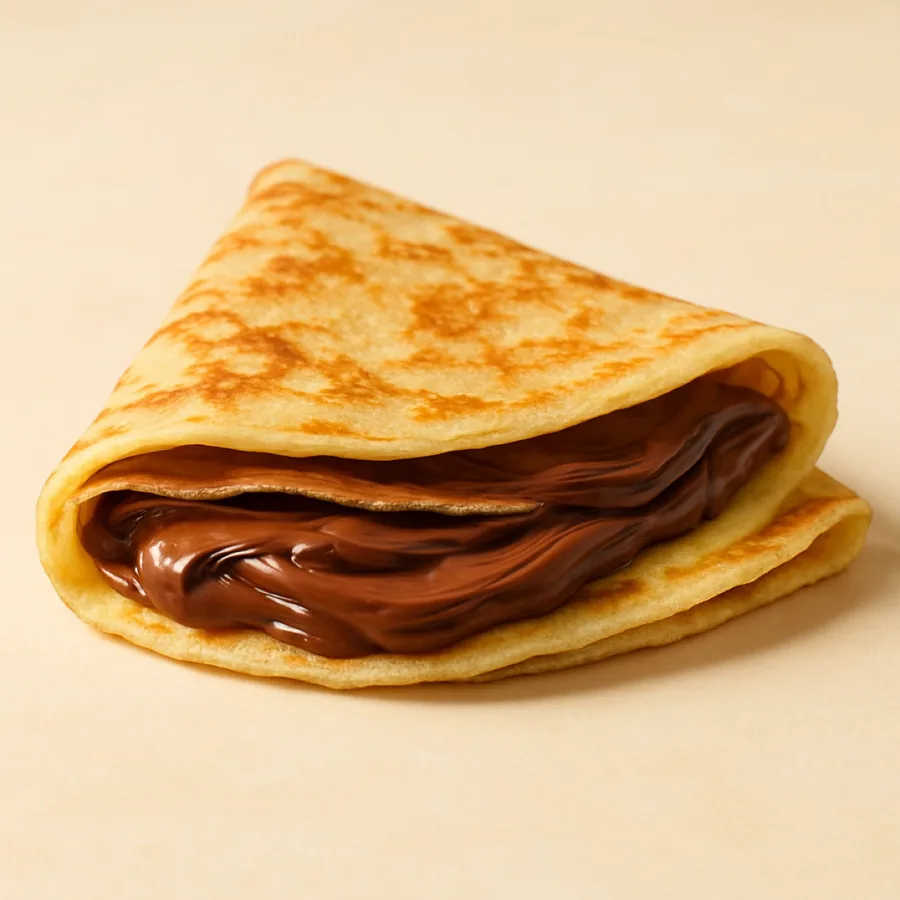
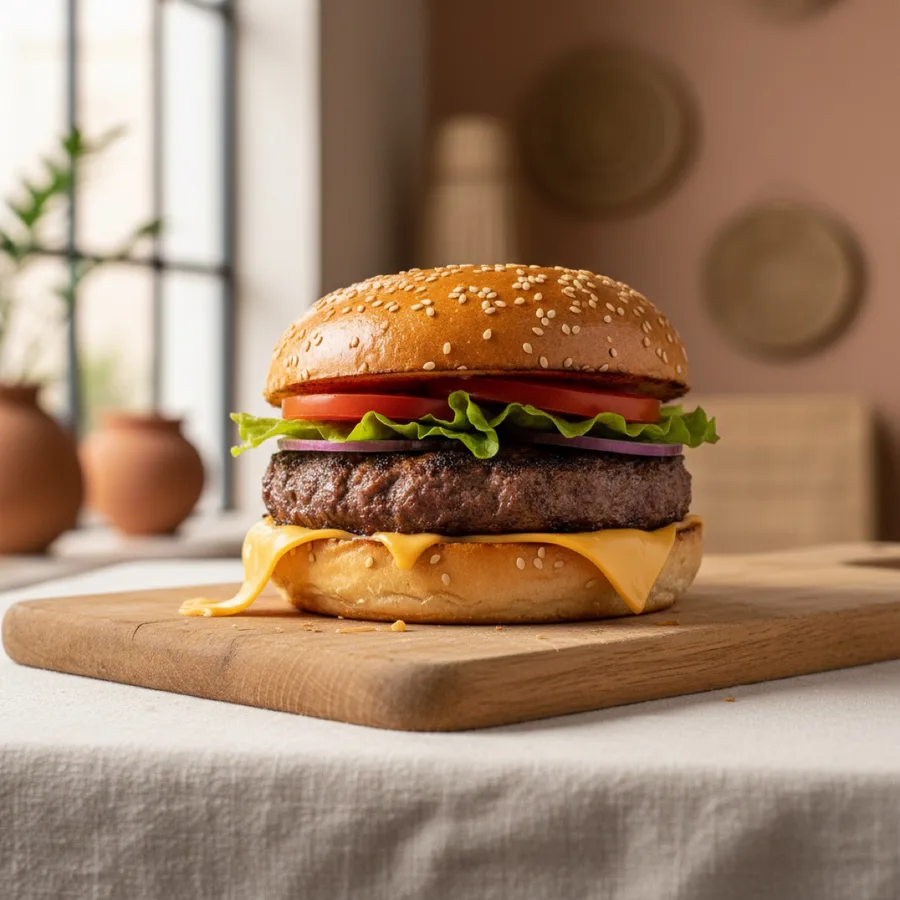
We'd rather publish the numbers than talk around them. Three chicken tacos are 65 MAD. The Kuma burger with fresh fries is 85. Fajitas to share, brought to the table in the pan, are 95. A Nutella crepe is 40, a house milkshake 40, a coffee 25. The most expensive thing on the whole menu is the steak and fries at 150 MAD, about £12.
Work it into a real order and it stops being abstract. Two people sharing guacamole and totopos at 45, then three beef tacos at 75 and a burger at 85, with a virgin mojito at 40 and a coffee at 25, comes to 270 MAD for the table. Around £21, or roughly £10.75 each, dessert not included and there's every chance you'll want one.
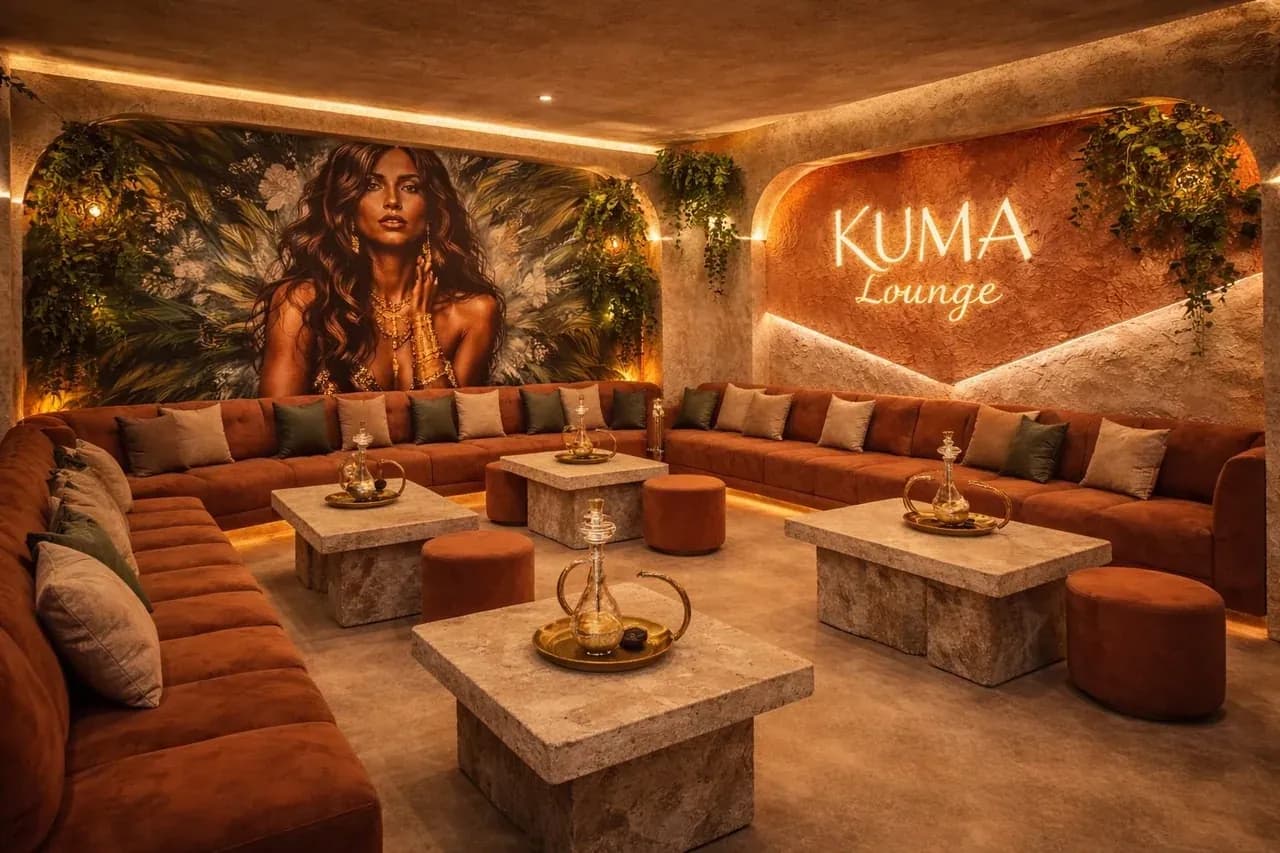
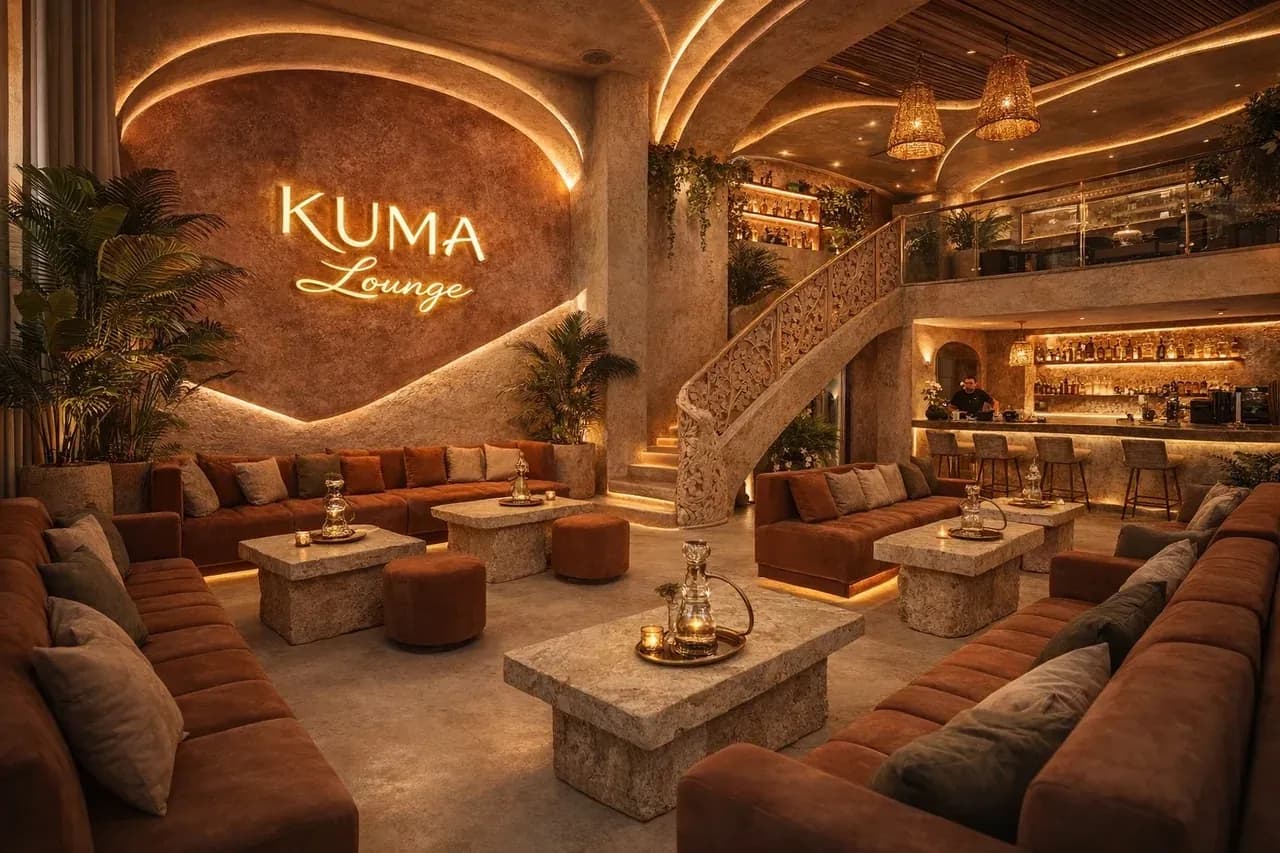
Which lands the average table squarely in the mid-range bracket from the first table in this article, at 100 to 200 MAD a head. The part that isn't standard: those are the prices at three in the morning too. Same menu, same figures, no late-night bracket, because the whole place was built around the late hours rather than tolerating them. That's most of why we opened it in the first place.
Prices listed here are from August 2026 and can shift with the season, so check the menu for the current card. And if this article has been useful and you never come anywhere near us, that's fine too. It was written to be worth reading either way.
FAQ
- How much is a meal in Marrakech in pounds?
- Street food and small local places come to roughly £2.40 to £6.40 a head, mid-range restaurants £8 to £16 per person, and upscale dining £20 upwards. Those figures use the rate of 13 August 2026, when 1 MAD was worth about £0.0796.
- Is food expensive in Marrakech?
- Not by British standards. A full plate from a street stall rarely passes 50 MAD, under £4. Prices climb sharply around Jemaa el-Fna and the main medina squares, where 2026 price guides put the tourist premium at 20 to 30 percent.
- How much should I budget per day for food in Marrakech?
- Eating mostly at stalls and local places, 100 to 150 MAD a day covers it. A mix of street food and mid-range restaurants runs closer to 250 to 400 MAD. Eating upscale every evening pushes past 600 MAD a day.
- Is it more expensive to eat late at night in Marrakech?
- Usually, though not because anyone adds a night rate. After midnight the affordable kitchens have closed and what remains is hotel lounges, dinner-shows and shisha bars, whose prices reflect late trade. Kuma charges the same at 3am as at 3pm.