Some restaurants in Marrakech serve alcohol, most don't. Alcohol is legal in Morocco but selling it needs a local licence, and only a minority of restaurants hold one: mainly hotels, part of Gueliz and Hivernage, a few riads. Drinking anywhere other than a licensed bar or restaurant is illegal.
Do restaurants in Marrakech serve alcohol?
Some do. Most don't. That catches a lot of British visitors off guard, because at home the default runs the other way round: a restaurant has a drinks list unless there's a reason it doesn't. Here it's reversed. Alcohol is perfectly legal in Morocco, but selling it needs a licence from the local authorities, and only a minority of restaurants hold one. The licensed places sit in fairly predictable spots: hotels, a slice of the restaurants in Gueliz and Hivernage, a few riads with a rooftop bar. Walk into an ordinary neighbourhood restaurant and the drinks list will be mint tea, fresh juice, soft drinks and coffee. Nobody is making a point by leaving wine off the menu. It simply isn't how most places here are set up.
The rule that actually catches people out isn't the licence though. It's where you're allowed to drink what you've bought. The UK Foreign Office puts it plainly: drinking in the street, or anywhere other than a licensed restaurant or bar, is illegal and can lead to arrest. Picked up a bottle at a supermarket counter? Drink it at your riad or your hotel, not on a bench.
Where you will and won't find a licence
| Type of venue | Usually licensed? | What to expect |
|---|---|---|
| Hotel bars and resort restaurants | Usually yes | The most predictable option. Prices follow hotel logic. |
| Restaurants in Gueliz and Hivernage | Some | Check the menu posted outside, or ask before you sit down. |
| Riads | A few | Often for house guests only. Ask when you book, not on arrival. |
| Restaurants inside the medina | Rarely | Alcohol-free by default. Nothing unusual about it locally. |
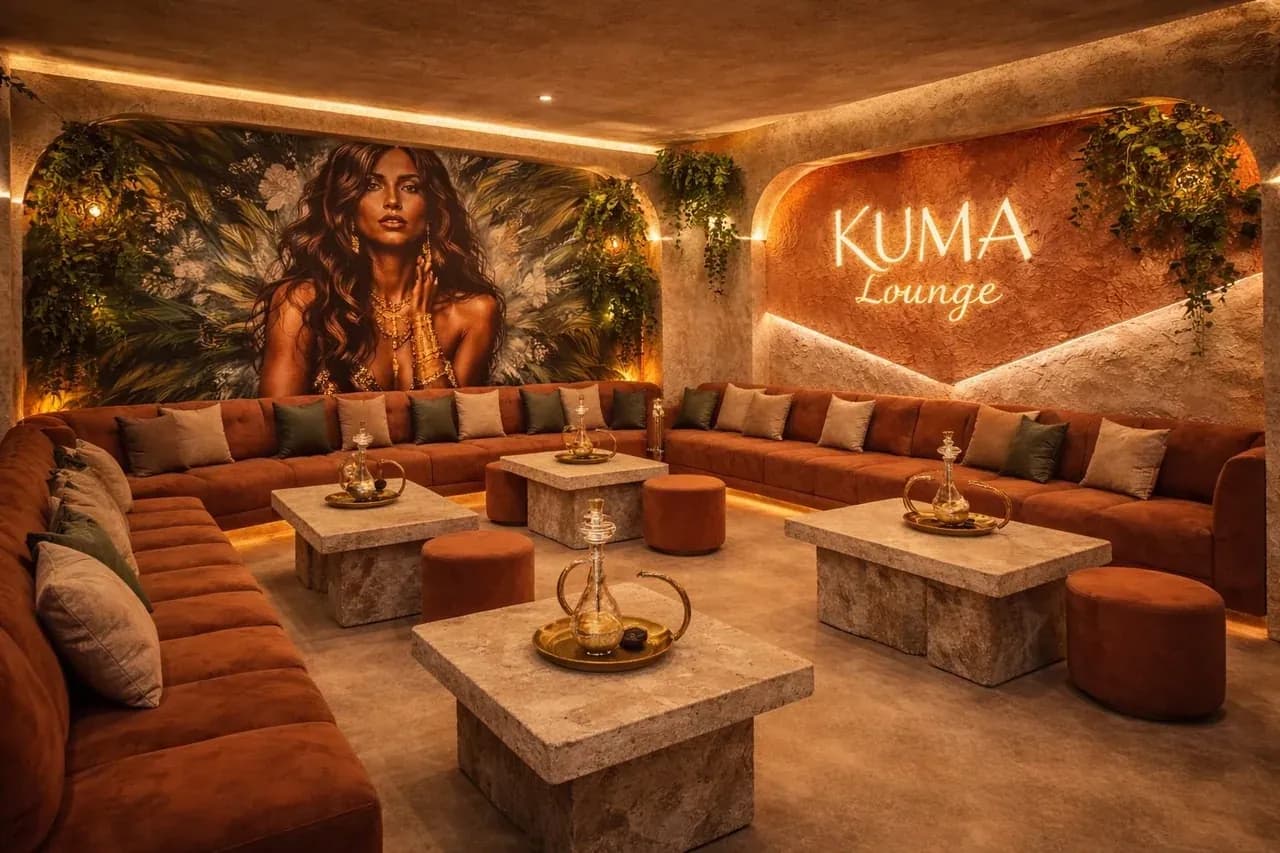
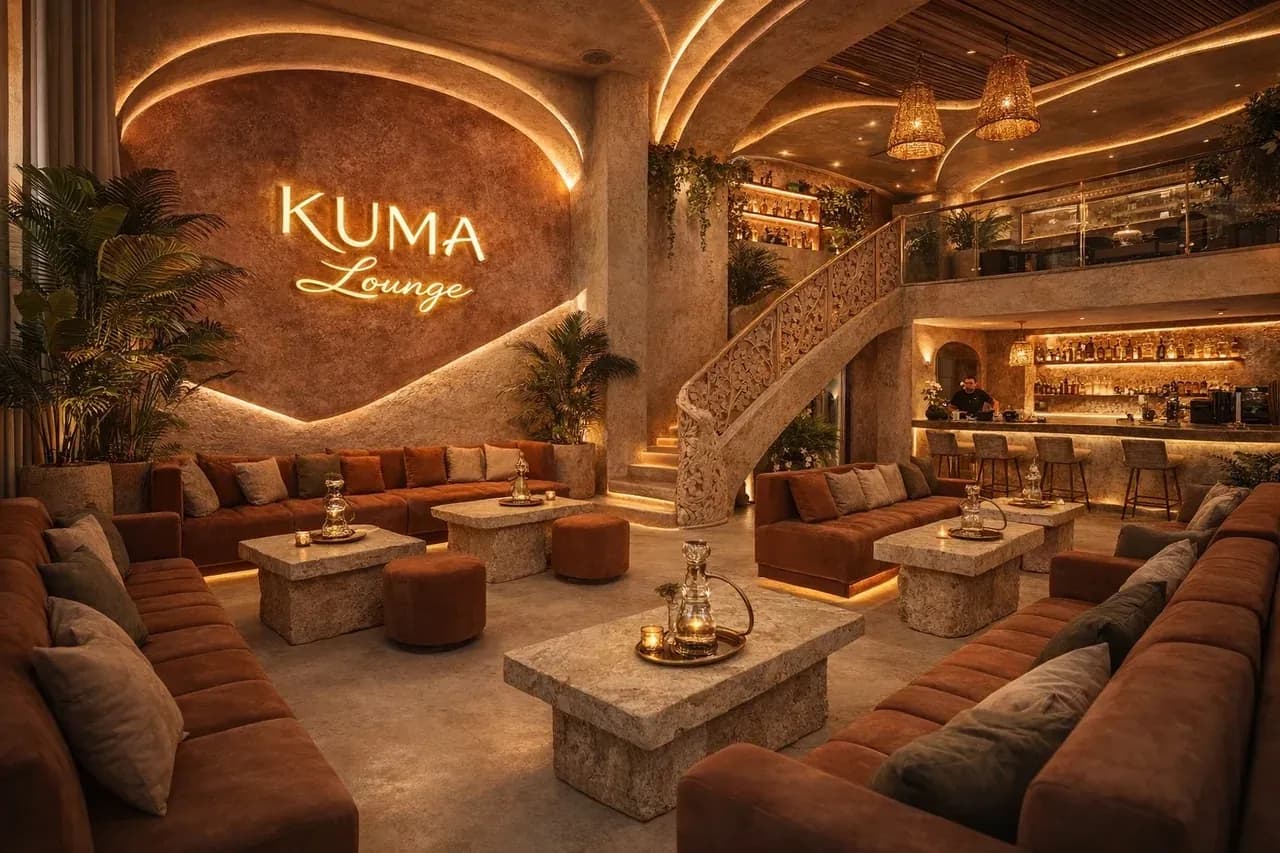
| Lounges, cafes, tea rooms | No | Mocktails, pressed juice, coffee, and shisha in some rooms. |
Two Gueliz addresses make the split easy to picture. Cantobar, on Bd Moulay El Hassan, is licensed and runs around the clock, with a bar, karaoke and a disco crowd (4.9 on Restaurant Guru from 2,577 reviews, checked 13 August 2026). Fomo Garden, on Bd Mohammed VI, is a large alcohol-free venue whose doors stay open until 3:30am, although its kitchen stops at 10pm (source: majourneys.com, checked 13 August 2026). Same street grid, same night, two completely different evenings. Licences and hours do change, so ring a place rather than trusting a listicle from two years ago.
Two practical tells, if you'd rather not ask outright. Licensed venues generally display the fact, keep a visible price list and put everything through a receipt, because that's what the licence requires of them. And the menu posted in the window will have a drinks page. No drinks page, no licence. Riads are the awkward category: several serve wine to house guests without being open to the street, so the question belongs in your booking email rather than at the door on the night.
Buying a bottle to take back is a separate errand. Certain supermarket branches have an alcohol counter and certain specialist shops sell it, but availability varies branch by branch, so check the specific one before crossing town. There's no reliable national price to quote either; it moves with the brand, the venue type and the city. What stays constant is where you can open it, which brings us back to the rule above.
Why do most restaurants choose not to serve it?
Here's the part travel guides skip, mostly because travel guides don't run restaurants. A licence isn't a form you post off and forget. It's granted locally, at the discretion of the authorities, and it comes attached to conditions on hours and premises. Then there's a rule that almost never makes the guidebooks: under Article 28 of the 1967 decision governing alcohol sales, licensed operators aren't supposed to sell alcohol to Moroccan Muslims. How that plays out in practice is another conversation. But read it as an operator and the arithmetic gets obvious. If most of your regulars are local, a licence buys you a drinks list you are formally not meant to sell to the people filling your room.
And then there's the room itself. A bar changes who walks in, at what hour, and how the last two hours of the night feel. Plenty of places want exactly that, and they do it well. Most don't. We never applied for one, and it wasn't a moral position: our busiest hours run from midnight to dawn, with families, groups coming out of a night out, and people who landed at RAK at 1am. A bar wouldn't serve any of them better. It would just change the room at the hour we care about most. If you want the longer version, here's what a good night out looks like when nobody's drinking.
There's a knock-on effect worth knowing about as a customer, because it shapes your evening more than the drinks list does. Licensed venues tend to run on a bar rhythm: later start, louder room, a door policy, a bill that climbs after the second round. Unlicensed rooms run on a kitchen rhythm instead. People arrive to eat, stay for hours, order dessert at 2am, bring children at an hour that would raise eyebrows in Britain. Neither is better. They're different products, and knowing which one you've booked saves the disappointment of turning up somewhere loud when you wanted a table, or somewhere quiet when you wanted a night out.
What happens during Ramadan?
No nationwide shutdown, and no single rule either. Venues set their own line: some licensed restaurants suspend drinks service for the month, some keep it low-key, certain supermarket counters close. The only reliable move is asking the specific place, the week you're travelling. What definitely shifts is the clock. The eating day reorganises itself around iftar at sunset, kitchens get busy very late, and a city that normally winds down around midnight stays up instead. Visiting during Ramadan? Expect your evening to start later than you'd planned and run longer than you expected. Restaurant hours during that month are worth confirming individually rather than assuming, whichever side of the licence question a place sits on.
Two small courtesies, offered as information rather than instruction. Eating, drinking or smoking in the street during daylight hours in Ramadan reads badly to people around you who are fasting, even though nobody will say anything to a visitor. And restaurants that stay open through the day often work with a reduced kitchen until sunset. It's the one month where the phrase "we're open" needs a follow-up question about what's actually being cooked.
So what do you actually drink instead?
Honestly, if you had a glass of red with dinner in mind, you'll miss it. Worth saying rather than pretending otherwise. What replaces it isn't a consolation: Morocco has been serious about drinks without alcohol for a very long time. Mint tea poured from a height so it foams. Fresh juice pressed while you wait. Coffee that keeps a table talking well past the point when the kitchen should have closed.
The part British visitors tend to notice by day three is what disappears along with the wine. No last orders. No closing bell at 11pm, no drift towards a pub, no bill that doubles because someone ordered a third round. Evenings here are long by default and cost roughly what dinner costs. That's not an argument for or against a drink. It's simply a different shape of night, and it's the reason a Marrakech dinner can start at 10pm without anyone thinking it's late.
Our own answer is a mocktail list we actually build rather than tolerate, plus homemade lemonades and hot drinks, served alongside tacos and fusion plates until 6am. If you're mapping out the wider neighbourhood, here's where Gueliz eats, hour by hour. And if you'd rather just ask a human what's open tonight, message us on WhatsApp. Quicker than reading three blogs.
FAQ
- Do restaurants in Marrakech serve alcohol?
- A minority do. Alcohol is legal in Morocco, but serving it requires a licence from the local authorities, so most restaurants don't. Licensed venues cluster in hotels, parts of Gueliz and Hivernage, and a few riads. Inside the medina, alcohol-free is the norm.
- Can you buy alcohol in Marrakech?
- Yes. Licensed supermarket counters and specialist shops sell it, and licensed bars and restaurants serve it. Drinking anywhere other than a licensed restaurant or bar is illegal and can lead to arrest, so keep it to your riad, hotel or a licensed venue.
- Do restaurants serve alcohol during Ramadan in Marrakech?
- It varies by venue. There's no blanket national closure, but some licensed restaurants suspend drinks service for the month and certain supermarket counters stop selling. Ask the specific place the week you're going. Kitchen hours also shift late, around iftar at sunset.
- Is all food in Marrakech halal?
- Effectively yes. Meat sold and served in Morocco is halal by default, so you're not hunting for certified addresses the way you might in Europe. Pork appears occasionally on menus in a few hotels and international restaurants, where it's labelled clearly.